Perhaps more than any other city, Phoenix owes its existence as a modern city to air conditioning; a relatively recent invention. Although Phoenix was incorporated in 1888, it really wasn't until the 1950s that the city began growing in earnest. That is when air conditioning became available for residential use.
Buying or Selling a Home in Phoenix? AC Matters!
In Phoenix's hot climate, air conditioning can impact real estate value. Get expert advice on how AC affects home sales and prices.
How Air Conditioning Shapes Phoenix Valley Real Estate
Here are some fun facts about air conditioning and its role in Phoenix Valley real estate:
- Evaporative cooling has been around since ancient times, but the modern, electrified evap system or "swamp cooler" was designed right here at the University of Arizona in the 1930s.
- The modern, central air system was invented in 1902 by Willis Carrier, but these systems didn't become available for residential use until 1951.
- Swamp coolers grew in popularity until they were replaced by the modern refrigerant-based central air conditioner.
- Phoenix's population growth skyrocketed after A/C became widely available, quadrupling from 106,818 residents in 1950 to 439,170 in 1960.
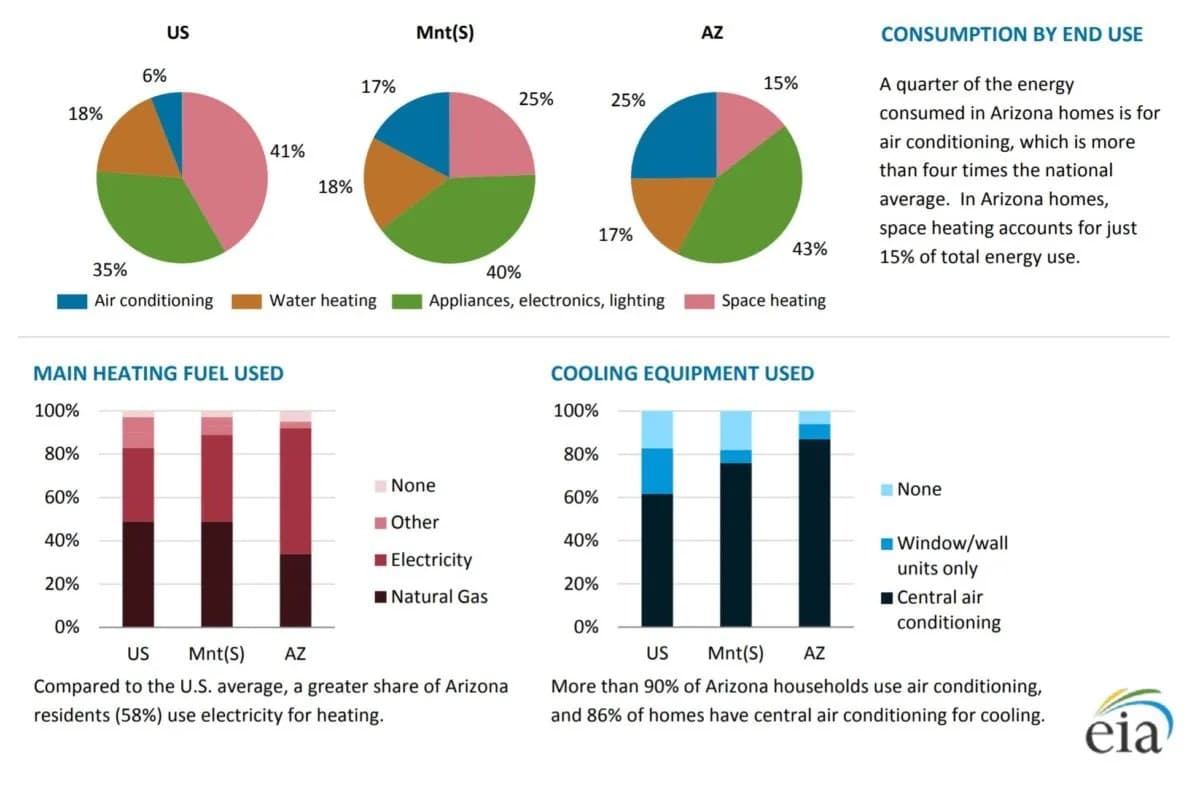
- Today, three quarters of U.S. homes have central air conditioning; that numbers rises to 86% here in Phoenix.
- 7% of Phoenix homes use evaporative coolers (window units) and 5% use AC and evap systems together. Just 2% have no cooling systems or use fans only for cooling.
- Many older and historic homes still use swamp coolers, and some homeowners still prefer them because they use less electricity than central A/C.
- Newer evaporative cooling systems use a tenth of the water that older systems do – as little as a gallon of water per day. If your clients are considering a home with an older evap system, they can conserve water by upgrading.
- In addition to being able to cool at higher temperatures, Phoenix residents generally prefer central AC/heat pumps because they can handle both the heating and cooling needs of a home. This makes installation more cost effective than installing two separate systems.
Because of Phoenix's heavy reliance on air conditioning, many newcomers may unfairly think the city is an "energy hog" relative to other cities. They may also wonder whether their heating and cooling bills will be higher here.
In fact, due to the fact that Phoenix homes don't require heat during most of the year, Phoenix actually uses 26% LESS energy than the US average. Most of that energy use is rather than heating fuels. Electricity, unfortunately, is fairly expensive. This means that while Arizonans use less energy and pollute less than most Americans, they spend about the same on heating and cooling.
In a city where summer days over 100 degrees are the norm, there's good reason to be grateful for this modern invention that makes life comfortable for Phoenix residents.
Discover how air conditioning influences real estate trends in the Phoenix Valley. Enhance your market insight by exploring our guide on real estate capital gains and learning about mortgage rates and deductions. For a complete perspective, review our piece on the prequalification process.